
Eat Like You’re in Italy: The Best Culinary Stops for True Foodies in NYC
New York City is one of the most exciting food destinations in the world. From classic delis to modern restaurants, the city offers endless choices for diners looking to experience something memorable. For lovers of Italian cuisine, however, NYC provides a unique opportunity to enjoy authentic flavors that reflect generations of culinary tradition.
Italian restaurants and pizzerias throughout the city combine heritage, craftsmanship, and high-quality ingredients to deliver meals that feel both comforting and unforgettable. Whether you are exploring a bustling neighborhood in Brooklyn or walking the streets of Manhattan, Italian cuisine continues to play a major role in the city’s vibrant dining culture.
Italian Culinary Traditions That Shaped NYC’s Food Scene
Italian immigrants helped shape New York City’s food culture over the past century. Families brought treasured recipes from regions such as Naples, Sicily, and southern Italy, introducing dishes that quickly became staples of the local dining scene.
Today, many Italian restaurants in the city continue to honor these traditions. From house-made sauces to freshly prepared dough and imported cheeses, authentic techniques remain at the heart of many kitchens. The result is food that feels deeply connected to its heritage while still embracing the energy of New York.
Family-owned establishments are particularly important in preserving this legacy. Many have served the same neighborhoods for decades, passing down recipes and cooking methods through generations. When food lovers explore Italian restaurants across NYC, they often discover places that prioritize authenticity and consistency above all else.
Why Pizza Remains an Iconic Part of NYC Dining
While Italian cuisine includes a wide variety of dishes, pizza continues to define New York’s Italian food culture. The city’s pizzerias are famous around the world for their distinctive style and unmistakable flavor.
Great pizza starts with carefully prepared dough that develops the right texture and structure. The sauce must be balanced and flavorful, complementing the cheese rather than overwhelming it. When baked at the proper temperature, the crust develops the perfect combination of crispness and softness.
Many NYC pizzerias also specialize in classic regional styles. Sicilian square slices, for example, offer a thick and airy crust with a rich tomato base, while traditional round pies feature thin crusts with perfectly melted cheese.
Exploring the city’s pizza culture is a must for any dedicated foodie. From historic neighborhood establishments to beloved local favorites, these pizzerias represent the heart of Italian dining in New York.
Neighborhood Italian Restaurants Worth Discovering
Some of the most memorable dining experiences in NYC happen in neighborhood restaurants that have built loyal followings over the years. These establishments may not always appear on tourist lists, but they often deliver incredible food and warm hospitality.
Neighborhood pizzerias and Italian restaurants tend to focus on quality ingredients and simple cooking techniques. Instead of overly complicated menus, they highlight classic dishes that showcase traditional flavors.
Visitors might find handmade pasta, fresh mozzarella pies, classic meatball dishes, or hearty Italian sandwiches. Each item reflects the idea that great food does not need to be complicated to be exceptional.
Another reason these restaurants stand out is their strong connection to the community. Regular customers return week after week, families gather for celebrations, and newcomers quickly feel welcomed. The atmosphere is friendly and relaxed, creating a dining experience that feels genuine and enjoyable.
What Defines a Truly Memorable Italian Dining Experience
The most respected Italian restaurants share several qualities that set them apart. At the foundation is a commitment to fresh, high-quality ingredients. Simple elements such as tomatoes, olive oil, cheese, and dough must be carefully selected to create dishes that feel authentic and flavorful.
Another important factor is consistency. Restaurants that maintain high standards year after year earn the trust of their customers. Diners know they can return and enjoy the same great meal every time.
Hospitality also plays a major role. Italian dining culture emphasizes warmth and connection. Whether guests are stopping in for a quick slice or gathering for a full meal with family and friends, the atmosphere should feel welcoming and comfortable.
When all of these elements come together, they create a dining experience that goes beyond the food itself. Guests leave not only satisfied but also excited to return again.
Experience Authentic Italian Flavors in New York City
New York City offers an incredible range of dining options, but Italian cuisine remains one of its most beloved culinary traditions. From historic pizzerias to family-owned restaurants that preserve generations of recipes, the city continues to celebrate the flavors of Italy in remarkable ways.
Exploring authentic Italian food across NYC allows diners to experience the passion, heritage, and craftsmanship that define this cuisine. Whether enjoying a classic slice of pizza, a plate of pasta, or a hearty Italian specialty, every meal reflects a long-standing tradition that continues to shape the city’s food culture.
For anyone who appreciates traditional Italian cooking, discovering these restaurants is one of the most rewarding ways to experience New York City.
Frequently Asked Questions About Italian Dining in NYC
What makes Italian food in New York City unique?
Italian food in NYC blends authentic regional recipes with the creativity and diversity of the city’s culinary scene. Many restaurants maintain traditional cooking methods while incorporating the character and energy of New York.
Where can I find authentic Italian pizza in NYC?
Authentic Italian pizza can be found throughout the city, especially in neighborhood pizzerias that have built strong reputations for quality ingredients and traditional preparation methods.
At La Villa Pizzeria, we are proud to share authentic Italian flavors with New York City. Our team is passionate about serving traditional pizza and classic Italian dishes made with quality ingredients and time-honored recipes. Whether you are a longtime customer or visiting us for the first time, we look forward to welcoming you. Contact us today to learn more or place an order online.
The Secret to Perfect Pizza: All-Natural, Unbleached, Non-Bromated Flour
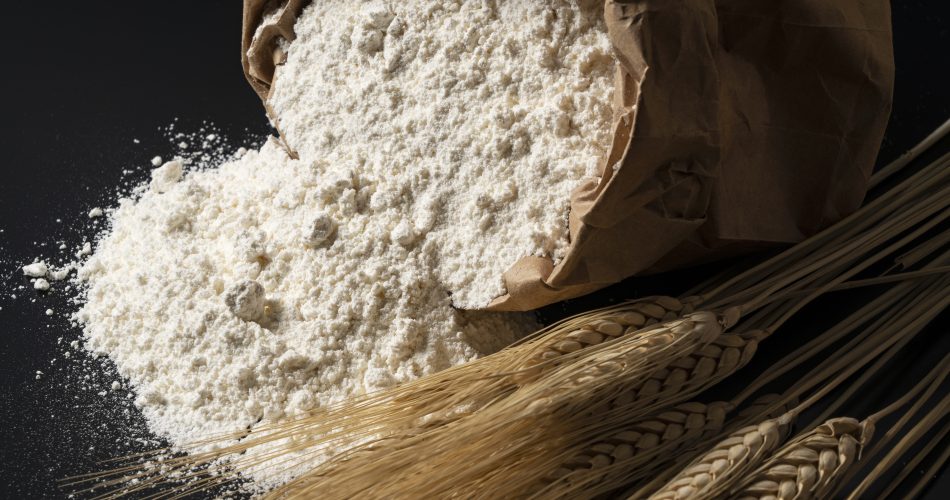
When people think about what makes a truly memorable pizza, they often focus on toppings, cheese, or sauce. While those elements matter, the real secret starts long before the first ingredient is layered on top. It begins with the flour. At La Villa Pizzeria, we believe that great pizza is rooted in quality from the ground up, and that is why we use all natural artisanal flour that is non chemically treated, non bleached, and contains no bromate.
Flour is the foundation of every crust. It influences flavor, texture, rise, and overall structure. Choosing flour that is unbleached and non bromated is not just a technical decision. It reflects a deeper commitment to quality, authenticity, and respect for food and culture. When you understand how flour affects your pizza, you start to see why this choice makes such a difference.
Why Flour Quality Matters More Than You Think
Pizza dough may seem simple. It typically includes flour, water, yeast, and salt. Yet within that simplicity lies an incredible amount of complexity. The type of flour used determines how the dough ferments, how it stretches, and how it bakes in the oven.
Many large-scale commercial flours are chemically treated to speed up production or alter texture. Bleaching agents are sometimes used to whiten flour and soften gluten. Bromate may be added to strengthen dough and improve rise. While these treatments can create uniform results in mass production, they are not necessary for truly great pizza.
All natural artisanal flour that is non chemically treated allows the grain to speak for itself. It retains more of its natural characteristics, which contributes to better flavor development during fermentation. The dough develops a more nuanced taste and a balanced texture that is crisp on the outside and tender on the inside.
At La Villa Pizzeria, we believe that respecting ingredients leads to better food. By choosing non bleached and non bromated flour, we allow time, technique, and craftsmanship to do the work instead of relying on chemical shortcuts.
The Difference Between Bleached, Bromated, and Natural Flour
To understand why this matters, it helps to know what these terms mean.
Bleached flour has been treated with chemicals to speed up the aging process and give it a bright white appearance. While this may create a softer texture, it can also alter the natural protein structure of the flour. Over time, naturally aged flour achieves similar baking qualities without chemical intervention.
Bromated flour contains potassium bromate, an additive used to strengthen dough and improve elasticity. Some regions have restricted or banned bromate due to health concerns. Even where it is still permitted, many artisanal pizzerias choose to avoid it in favor of more traditional methods.
Non chemically treated, non bleached, non bromated flour is closer to its original state. It relies on proper milling, careful aging, and skilled handling. The result is dough that rises beautifully when given the right time and attention. This slower, more intentional process aligns with traditional pizza making and honors the heritage behind it.
When you take a bite of a crust made from all natural artisanal flour, you can taste the difference. The flavor is cleaner. The texture has more character. The crust holds toppings well without becoming dense or overly chewy. It is pizza the way it was meant to be.
Flour, Tradition, and the Role of Food and Culture
Pizza is more than a meal. It is a shared experience. It brings families together, marks celebrations, and connects generations. The ingredients chosen for pizza are part of a long culinary tradition that reflects food and culture in every bite.
Using high quality flour is a nod to the roots of pizza making. In traditional Italian baking, flour quality has always been central. Bakers rely on time, fermentation, and craftsmanship rather than chemical additives. This approach respects both the ingredient and the people who enjoy it.
At La Villa Pizzeria, our commitment to premium flour reflects our dedication to authenticity. We see pizza as a bridge between past and present, a way to preserve tradition while serving today’s families. By focusing on natural ingredients, we uphold the values that define true food and culture.
How Natural Flour Elevates the Entire Pizza Experience
The benefits of all natural artisanal flour go beyond flavor alone. They influence every stage of the pizza making process.
First, fermentation improves. Natural flour responds beautifully to slow proofing. Given adequate time, the dough develops complex flavors and a light, airy structure. This leads to a crust with well formed bubbles and a satisfying chew.
Second, texture becomes more balanced. Because the flour is not chemically altered, the gluten structure develops in a more natural way. The crust achieves a crisp exterior while remaining soft and flavorful inside.
Third, the pizza feels lighter and more satisfying. Many guests notice that a naturally crafted crust does not feel overly heavy. When ingredients are treated with respect, the final product feels cleaner and more enjoyable.
Finally, using non bleached and non bromated flour reflects transparency and care. Customers today are more aware of what goes into their food. Choosing all natural ingredients demonstrates a commitment to quality that people can trust.
At La Villa Pizzeria, this commitment guides every step we take. From dough preparation to baking, we focus on technique and patience. We believe that great pizza is not rushed. It is crafted with intention.
A Commitment to Quality at La Villa Pizzeria
Quality ingredients are not a trend. They are a standard. Our choice to use all natural artisanal flour that is non chemically treated, non bleached, and contains no bromate is part of a broader philosophy.
We believe that food should be honest. It should reflect skill, tradition, and care. By prioritizing natural flour, we ensure that every crust meets our expectations for taste and texture. This dedication is one of the reasons our guests return again and again.
Pizza is often described as comfort food, but comfort should never come at the expense of quality. When you bite into one of our pies, you experience the result of thoughtful decisions made long before the pizza reaches the oven.
From selecting premium flour to perfecting fermentation, every detail matters. That attention to detail is what sets truly great pizza apart. It is also what keeps food and culture alive in meaningful ways.
Why Natural Flour Makes All the Difference
The secret to perfect pizza begins with flour. By choosing all natural artisanal flour that is non chemically treated, non bleached, and free of bromate, La Villa Pizzeria creates a crust that honors tradition and delivers exceptional flavor. When quality is built into the foundation, every slice reflects care, craftsmanship, and a true respect for food and culture. Visit us to taste the difference that natural ingredients make.
Frequently Asked Questions About Artisan Pizza Ingredients
Why does unbleached flour matter in pizza dough?
Unbleached flour is not treated with chemical whitening agents, allowing it to retain more of its natural properties. This supports better flavor development and a more authentic texture in the finished crust.
What does non bromated flour mean?
Non bromated flour does not contain potassium bromate, an additive sometimes used to strengthen dough. Many artisanal pizzerias choose to avoid bromate and instead rely on proper fermentation and technique to achieve excellent results.
La Villa Pizzeria is dedicated to crafting authentic pizza using premium ingredients and time honored techniques. We take pride in using all natural artisanal flour that is non chemically treated, non bleached, and contains no bromate, ensuring every crust meets our high standards. Our team is passionate about bringing families and friends together through exceptional food and genuine hospitality. Contact us today to find a location or place an order online.

Authentic Italian vs. Americanized: The Real Story Behind Italy’s Most Classic Dishes
Italian cuisine is one of the most beloved food traditions in the world, but much of what people consider Italian food in the United States looks very different from what you would find in Italy. Over time, recipes evolved, ingredients changed, and portions grew larger. These differences tell a fascinating story about food and culture, immigration, and how traditions adapt when they cross borders.
Understanding the contrast between authentic Italian dishes and their Americanized counterparts helps diners appreciate where these foods come from and why they taste the way they do today. It also highlights why restaurants rooted in tradition continue to stand out by honoring the flavors, techniques, and values that define true Italian cooking.
How Italian Food Changed When It Came to America
Italian cuisine in Italy has always been regional. Northern dishes often rely on butter, cream, and rice, while southern cooking favors olive oil, tomatoes, and fresh vegetables. When Italian immigrants arrived in America in the late 1800s and early 1900s, they brought family recipes with them. However, they also faced new realities.
Ingredients that were scarce or expensive in Italy suddenly became affordable and abundant in the United States. Meat, cheese, and wheat flour were easier to access, which naturally led to richer and heavier meals. Portions grew larger to reflect American dining habits, and recipes were adjusted to appeal to a broader audience unfamiliar with traditional Italian flavors.
This adaptation was not about losing authenticity. It was about survival and connection. Food became a way for immigrant families to preserve their identity while embracing their new home. Over generations, these adapted dishes became classics in their own right, even if they no longer resembled their Italian origins.
Classic Dishes That Mean Different Things in Italy and America
Some of the most well-known Italian dishes have drastically different versions depending on where you are eating them. Pizza is perhaps the most famous example. In Italy, pizza is simple and balanced. A thin crust, light sauce, fresh mozzarella, and a few carefully chosen toppings are all that is needed. The goal is harmony, not excess.
In the United States, pizza evolved into something heartier. Thicker crusts, generous layers of cheese, and endless topping combinations became the norm. While both styles are enjoyable, they represent different philosophies of food and culture. One emphasizes restraint and quality, while the other celebrates abundance and customization.
Pasta dishes show similar contrasts. Spaghetti and meatballs is a staple in American Italian restaurants, and originated in the Abruzzo region of Italy as ‘baby’ meatballs. In Italian kitchens, meatballs are usually served on their own or in soup, not piled on top of pasta. Pasta itself is meant to highlight the sauce, not be overwhelmed by it.
Chicken parmesan is another example. In Italy, melanzane alla parmigiana is traditionally made with eggplant, not chicken. The American version substituted meat and added heavier layers of cheese and sauce, creating a dish that feels familiar but tells a different story.
Ingredients and Techniques That Define Authentic Italian Cooking
Authentic Italian cooking is guided by simplicity and respect for ingredients. Recipes often use only a handful of components, but each one plays an important role. Fresh herbs, high quality olive oil, ripe tomatoes, and carefully aged cheeses are foundational to Italian kitchens.
Cooking techniques also matter. Sauces are simmered gently, pasta is cooked al dente, and dishes are assembled to preserve texture and flavor. Meals are not rushed, and recipes are passed down through generations with care and pride.
Americanized versions tend to prioritize boldness and convenience. Heavier sauces, extra cheese, and larger portions cater to different tastes and expectations. Neither approach is wrong, but understanding the difference helps diners recognize what makes traditional Italian food unique.
Restaurants that value tradition often bridge this gap by honoring classic methods while still appealing to modern diners. This balance allows guests to experience authentic flavors without feeling disconnected from familiar comforts.
Why Food and Culture Are Impossible to Separate
Italian cuisine is deeply tied to daily life, family, and regional identity. Meals are meant to be shared, enjoyed slowly, and appreciated as part of a larger social experience. This connection between food and culture shapes how dishes are prepared and served.
In Italy, lunch and dinner are events, not obligations. Recipes reflect the seasons, local agriculture, and historical influences unique to each area. When these traditions travel abroad, they inevitably change, but the cultural roots remain visible.
In America, Italian food became a symbol of comfort, celebration, and community. Sunday dinners, neighborhood pizzerias, and family owned restaurants all play a role in keeping Italian inspired cuisine at the heart of local culture. Exploring the differences between authentic and Americanized dishes is not about choosing sides. It is about understanding the journey.
When diners seek out restaurants that respect tradition, they gain a deeper appreciation for the craftsmanship behind each dish. Learning about food and culture adds meaning to every bite and transforms a simple meal into an experience.
Honoring Tradition While Embracing Evolution
The evolution of Italian food in America is a testament to its enduring appeal. While some dishes have changed significantly, the spirit of Italian cooking remains strong. Fresh ingredients, attention to detail, and a focus on bringing people together continue to define great Italian restaurants.
For those interested in experiencing Italian inspired cuisine rooted in tradition, choosing a restaurant that values authenticity makes all the difference. From carefully prepared sauces to thoughtfully crafted pizzas, these establishments preserve the essence of Italian cooking while welcoming new generations of diners.
Frequently Asked Questions About Italian Cuisine
Is authentic Italian food always healthier than Americanized versions?
Authentic Italian dishes often use fewer ingredients and lighter sauces, which can make them feel less heavy. However, balance and portion size matter more than labels. Both styles can be enjoyed as part of a well rounded diet.
Why do Italian menus in America look different from menus in Italy?
Menus in America evolved to suit local tastes and ingredient availability. Over time, popular dishes became staples even if they were not traditional in Italy. These changes reflect cultural adaptation rather than a loss of quality.
We take pride in celebrating Italian inspired cuisine while respecting the traditions that make it special. At La Villa Pizzeria, our focus is on quality ingredients, time honored techniques, and a welcoming atmosphere for every guest. Whether you are a lifelong fan of Italian food or just beginning to explore its roots, we invite you to learn more and dine with us. Contact us or order online today.
Why Our Chicken Matters: The Difference Organic Makes
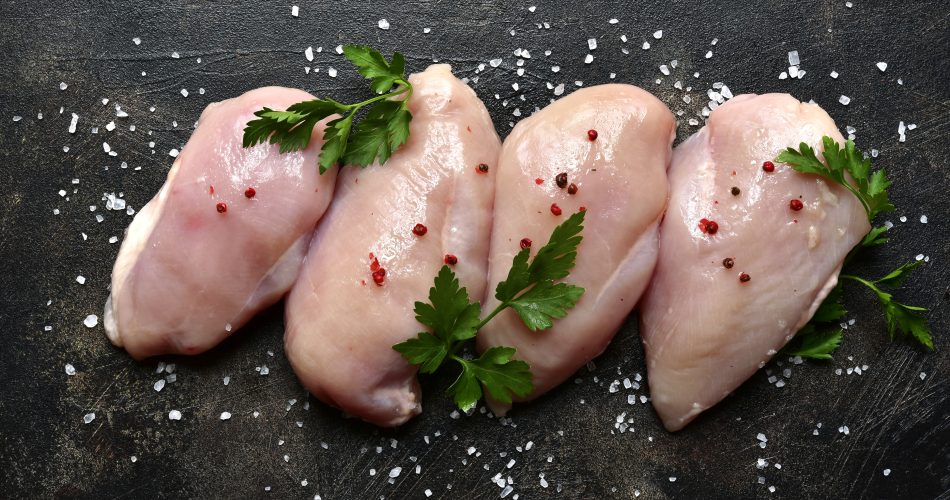
Food is more than fuel. It reflects values, traditions, and the care that goes into every step of preparation. At La Villa Pizzeria, the choices we make about ingredients are rooted in a deep respect for food and culture. One of the most important choices we have made is using organic chicken in our kitchen. It is not a trend for us. It is a commitment to quality, flavor, and the people we serve.
When guests enjoy a chicken dish at La Villa, they are tasting more than a recipe. They are experiencing the difference that responsibly sourced ingredients make. Organic chicken supports better flavor, better farming practices, and a dining experience that aligns with our standards and our heritage.
What Organic Chicken Really Means
Organic chicken is raised according to strict standards that prioritize animal welfare and environmental responsibility. These chickens are fed organic diets without synthetic pesticides or genetically modified ingredients. They are not given routine antibiotics or growth hormones, which results in meat that is cleaner and more natural.
For us, this matters because quality starts long before the food reaches our kitchen. When ingredients are raised with care, they deliver better texture and taste. Organic chicken tends to be more tender and flavorful, which allows our recipes to shine without relying on heavy seasoning or shortcuts.
Choosing organic also supports farming practices that are better for the land. Healthier soil, cleaner water, and more humane treatment of animals align with the respect for food that is central to traditional Italian cooking.
Flavor You Can Taste in Every Bite
One of the most noticeable differences with organic chicken is flavor. Because the birds are raised more naturally, the meat develops a richer taste and better structure. This means every bite feels intentional and satisfying.
In our kitchen, organic chicken enhances everything from classic Italian entrees to casual favorites. It absorbs marinades more evenly, cooks more consistently, and holds its moisture. The result is food that tastes fresh and balanced, not processed or bland.
Flavor is at the heart of food and culture. Traditional recipes were built around high quality ingredients, not fillers or artificial enhancements. By using organic chicken, we honor that tradition and deliver dishes that feel authentic and thoughtfully prepared.
Supporting Health Without Compromise
Many guests are more conscious than ever about what they eat. Organic chicken offers peace of mind because it is produced without unnecessary chemicals or additives. While food should always be enjoyed, knowing where it comes from adds another layer of comfort.
Organic chicken contains fewer residues from antibiotics and synthetic substances. This supports a cleaner diet and reflects a broader commitment to well being. For families, couples, and individuals who value transparency in their meals, this choice matters.
We believe that great food should never force a compromise between taste and responsibility. By selecting organic chicken, we deliver both. It allows our guests to enjoy hearty, satisfying meals while feeling confident about what is on their plate.
Respecting Tradition While Looking Forward
Italian cooking has always been rooted in simplicity and respect for ingredients. The best dishes let the food speak for itself. That philosophy guides everything we do at La Villa Pizzeria.
Using organic chicken fits naturally into that mindset. It is not about reinventing recipes. It is about honoring them. When ingredients are pure and thoughtfully sourced, there is no need to overcomplicate the process.
This approach reflects our broader view of food and culture. Meals are meant to bring people together, spark conversation, and create memories. When food is prepared with integrity, it becomes part of something larger than the plate in front of you.
A Choice That Reflects Who We Are
Every restaurant makes choices behind the scenes that guests may never see. For us, choosing organic chicken is one of those decisions that speaks volumes about our values.
We believe quality should be consistent, not occasional. That belief extends to our sourcing, preparation, and service. Organic chicken supports our goal of delivering food we are proud to serve and happy to share with our community.
From Our Kitchen to Your Table: Why Ingredient Choices Matter
Organic chicken is more than an ingredient at La Villa Pizzeria. It represents our respect for tradition, our commitment to quality, and our belief that great food starts with responsible choices. Every dish we serve reflects that philosophy, creating an experience that feels both authentic and intentional.
Frequently Asked Questions About Organic Ingredients
Why does organic chicken taste better?
Organic chicken is raised on natural diets and without growth hormones, which allows the meat to develop better texture and flavor. This results in a cleaner, more authentic taste.
Is organic chicken healthier?
Organic chicken is produced without routine antibiotics or synthetic additives. Many guests appreciate this cleaner approach and the transparency it provides.
We are proud to serve thoughtfully prepared food at La Villa Pizzeria, where tradition, quality, and community come together. Our recipes are inspired by classic Italian values and made with ingredients we trust. Contact us today to learn more about our story and what drives us.
